Translate

Showing posts with label personal style. Show all posts

Tuesday, March 5, 2013

Hard to fit size? Join the club!

In my grandmother’s time in China, many people - those who could afford it - had their clothes custom made by tailors.  Over time, manufacturers figured out that it would be more efficient for them if they mass produced clothes in “average” sizes that would require only minor alterations at the point of sale, allowing individual shops to buy and stock more inventory.  This is how ready-to-wear came into being, and it has brought convenience to our life.  While this works wonderfully in most situations, there are still many of us left behind with off-the-rack clothes that don’t quite work. Let me give you an example: In China, my home country, I am considered tall though I am only a bit above average by Western standards.  In high school, I was about 30 pounds heavier than I am today, so by Chinese standards I was considered a giant in those days!  I could not find any decent ready to wear clothes to buy, and in my summer job (working as a sauce preparer at the Renaissance Hotel restaurant) I had to wear a boy’s uniform!  Trust me, it was hard to think of myself as pretty back then!

You see, our so-called mainstream sizes are actually controlled by manufacturers. Over the years I have worked in fashion, I rarely meet any women who don’t have any complaints about their body, especially when they can not find their idealized size to fit them.  Sometimes, they may start to daydream about going on a diet or having plastic surgery, so that they can fit into what they believe to be ideal clothes.  I call this the Cinderella syndrome.  If we fit into that special “shoe size”, we will meet our “prince” - i.e., find our ideal, whether an actual prince or some fantasy vision of ourselves.  But think of all the time, effort, money and energy that is wasted trying to fit some delusional, external idea of beauty! This happens to plus size women even more.  Ironically, the average American women’s size is 14-16.  In the real world, not some designer’s fantasy world, plus size in America should be normal size.  

In fact, speaking from personal experience with my clients, I can say that many plus size women are not even overweight - they may be big, healthy and athletic and not simply fit the fashion model ideal.  Not only plus size women have issues with fit, either - I have clients and friends who are petite and sometimes find themselves shopping children’s sizes to find something to wear! So please know, if you struggle to find ready to wear clothes that fit you properly, YOU ARE NOT ALONE.

I want to share with you a few ideas to solve this body/fit puzzle.  First, you need to have a clear understanding of your body type, and know which areas to minimize, where to enhance, and where to balance.  Secondly, you need to have some basic knowledge of what vendor will fit you and then pay attention to the measurements and try a few.  For myself, I’ve learned I have a wider shoulder and smaller hip than typical.  I often wear a A-line skirt to create an hourglass shape, which works for me.

One thing I love about living in America (and especially Austin) is that it’s really O.K. here to be different.  In my view, it is just like our culture, and our personality, sometimes we are different.  As people more and more accept differences in the world, we just need to face the fact that not everybody can fit so-called mainstream clothes sizes.  BUT, that absolutely does not mean we have to sacrifice looking good!  There ARE good choices out there.  You may have to work harder (or find someone to work harder for you) than the mainstream body type person to flatter your body type in the right way, but you don’t have to look like I did in the boy’s uniform in high school!

I was inspired to write on this topic because during the course of my daily fashion online research I saw an truly fabulous plus-size dress - this is one of the best plus size dresses I’ve ever seen.  It has almost all the features you would look for:


  • Washable knit fabric that flows gently over your curves without clinging.
  • A polished and flattering silhouette. V-neck to longate the neckline, shape-defining bodice, elbow sleeves and knee length
  • Three beauiful simple colors to choose from
  • And it is only $69.99!

Finally, I need to plug my business a bit.  As with many things in life, you can absolutely do a fine job finding fashions, outfits, and looks for yourself...if you have the time, if you have the eye for it, if you have the passion for it, if you want to deal with running around, shopping multiple vendors, returning items, etc.  Or, you can do what most successful people do, and hire an expert to work with you, spend the time, energy and effort as your agent in the marketplace, looking for the best things out there on your behalf, and handling all the grief that comes with shopping as well as providing a keen eye and an honest opinion.  After an initial meeting and discussion, and taking some measurements, I can be out in the marketplace on your behalf finding you great clothes, helping you understand how they can be worn with your existing wardrobe, and providing results very quickly!  The time commitment is minimal - my clients are busy so I don’t waste their time taking them around to stores.  Much of what I provide to clients I find online.  At Nordstrom, I learned the meaning of service, and in my business I take service to the next level.  If you would like to see what I mean, please get in touch.  

Tuesday, February 26, 2013

Spring Wardrobe Planning Pays Off in Texas

Greetings!  I hope you are all off to a great start this year.  As the spring season is approaching, I recently got hired to do a number of closet reviews.  I finally have a moment to sit down and elaborate on this topic a little bit more.  

If you live in Texas and looking good and spending wisely matters to you, the spring season is the most important fashion season because of our climate.  The weather here is springlike for most of the year - the wardrobe investment we make in spring can usually last at least until early fall.  Spring is therefore the best time of year to do a closet cleaning, organizing and review, and then make a wardrobe buying plan for yourself - doing so will give you the best bang for your buck.

There is still time to review your closet and put together a plan to get yourself ready for a great spring and the rest of 2013.  If you prefer to do your own closet review and purchase plan, I’d like to share with you what I learned from my teacher, noted image master Carol Davidson:

1.  Clarify your own unique style. Look in magazines or online and begin to assemble a file of items that appeal to you.  Think about what they share in common - perhaps it's the colors, silhouettes, styles or manufacturers?  Begin to cultivate (or refine) your style so that you know what to look for and consistently love your look.  Keep in mind, some of the looks might not be suitable to your physical condition.  

2.  Identify your assets - and then flaunt them!  I'm not sure why,  but we all seem to dwell on the negative. Why not take the time and energy you'd use to hide a challenge area and instead think about your assets and how you can best show them off?

3.  Assess your wardrobe.  Try to understand what works and what doesn't, and why.  Let go of the things that are simply not useful.  "Just do it."  Give discarded items a second life by donating them or giving them to a friend.

4.  Don't put off alterations or repairs.  There is nothing more frustrating than having an item that you could wear and enjoy, if only... Just as you schedule everything else in your smart phone, take the time to schedule these activities as well.

5.  Organize your closet.  Does this seem overwhelming?  Split this task into one or two hour chunks, over the course of several weeks. Think about your wardrobe routine.  Would it make sense to organize your closet by item, by color or by outfit?  Play some music and focus on creating a sanctuary of organized items that make you deliriously happy!

6.  Find new ways to combine your clothes.  Pick one item each week and challenge yourself to come up with a new way to wear it.   (FYI, many of you don't really need more items...just some fresh ways to wear what they own.  That's where I can help!)

7.  Make a shopping list.  Do not - I repeat - do not - go into a store without a list of what you need.  This will keep you from coming home with the 'nice-to-haves' as opposed to the 'need-to-haves.'

8.  Make a conscious decision to make wiser choices.  Assuming an item fits both your budget and your body, ask yourself:  Do you love it?  Does it flatter you?  Does it represent you at your best?

9. Make a point to add color.  No one can live in all neutrals all the time.  Easy ways to add a splash of color are by way of a bag, shoe, nail color or as part of a print.  Not only will color add visual interest to any outfit, it can help you get through any gray days.

10.  Discover that comfort and style need not be mutually exclusive.  Take the time to search out items that hit the mark in both categories.  No one should suffer for fashion.  However, no one should  sacrifice it for comfort, either.

11.  Give yourself permission to shop for the whole outfit.  So many people are frustrated because they have orphan items (aka items that don't have a companion piece) in their closet.  When considering a new item, either make sure that you own two to three items to go with it, or take the time to hunt for the complete ensemble.

12.  Learn to accept compliments graciously. They will come!

Tuesday, October 30, 2012

Fashionomics 101: Maximize Your ROI

A recent Wall Street Journal article, “Fall Fashion Forecast” comes to the conclusion that trend is dead.  This further emphasizes the points I made in June when I wrote,  “Follow your style- make the trend work for you”.  

But this leads to another question:  how should we manage our wardrobes?  Do you feel overwhelmed and unsure of what to add to your wardrobe?  Or, conversely, are you in the other camp and feel like you might not be able to control yourself?  

Either way, now could be just the time to assess your fashion capital and re-balance your fashion portfolio.  Here are some guidelines that I have learned:

Capitalize on your assets.  Take a long, hard look at your body from head to toe.  What are your most valuable assets that make  your look uniquely yours?  What are you working with - fabulous curves, great legs, high cheekbones etc?  Only when you know what your assets are can you make sound purchases that naturally highlight them.  Because assets change over time, be sure to focus on what is working NOW rather than what has worked in the past.  You have evolved, and your clothing should as well.


Take stock.   It's difficult to put together great outfits if you are low on inventory.  Just before the fall and spring fashion seasons hit, assess what you already own.  Do your clothes fit and flatter you?  Are they current and in good condition?  Do they represent the best version of you and the image you would like to project?  If there's inventory in your closet that's not working for you, it's time to write it off and then re-stock.  Remember the three step process: inventory, edit, and shop. Invest the time just twice a year and enjoy the dividends all year long.


Minimize your liabilities.  First know that you are not alone.  We all have liabilities that seem to stay with us for longer than they should.  Here is a sampling of some liabilities that my clients have shared over the years:

  • Shopping to fill an emotional void ("retail therapy") rather than shopping for items that are needed
  • Not shopping because there are too many choices and it seems overwhelming
  • Inaccurate or out-of-date self-image
  • Getting all fashion advice from an opinionated friend or family member rather than building your own personal style
  • Buying based on price rather than need
  • Investing in high-end items without a wardrobe plan

Whatever your fashion liabilities, make friends with them and make a plan!  Get out of your clothing rut by breaking habits that are not serving your best interests.

Diversify your fashion portfolio.  Smart investors have a diversified portfolio.  Similarly, savvy dressers have clothes for every aspect of their life; they are not just invested in one area of their life (i.e. work clothes).  A diverse fashion portfolio includes outfits for dressy parties, informal social gatherings, work, weekend activities, exercise, travel, and more.  Do you have enough of the right clothing for all of the different situations you find yourself in?  Think about how you spend your time and then add to your wardrobe accordingly.


Accrue interest. Your fashion choices tell the story of who you are or aspire to be. You should be getting results from the time and money that you are investing into your wardrobe.  Those results might include compliments from others, more confidence, and an overall feeling of well-being.  They might also result in a job offer, a promotion, a date, and so on.  Now THAT is the kind of accrued interest you are looking for, so go ahead and put your style to work!

Monday, October 8, 2012

Seasonless Style Made Simple

This time of year is tricky to dress for, even though stores and magazines would have us think otherwise.  Many of us are still in summer mode, and rightfully so - while temperatures can vary widely, there are still enough warm days that it's still a bit early to say goodbye to summer clothing.  So how do you begin to migrate your closet (and your state of mind) to fall?  Here are some tips I’ve learned on how to make a smooth and stylish transition.


Take Cover - A good rule when transitioning into fall is to always have at least one part of your body covered, whether it is your legs or your shoulders.  Try pairing a summer dress, skirt, or even heavier fabric shorts with darker hosiery to give off a sleek, fall effect.  Alternatively, cardigans, or blazers easily take your sleeveless tops or dresses into fall, and can be added or subtracted as needed.  


Embrace the Dark Side - By all means, keep wearing your summer whites and creams as long as temperatures permit, but pair with darker neutrals or one of this fall's colors.  For a list of fashion's favorite hues of the season, check out Pantone's Fashion Color Report here.

Accessorized and Dangerous -  Balance is the key concept with accessorizing.  If you wear a sundress, opt for chunky statement jewelry.   Also, don't forget to swap out your handbag.   It is time for us to say goodbye to straw and canvas bags, and hello to embossed leather and suede!  The addition of a lightweight scarf - especially one showcasing this season's prints - is another great way to embrace the new season. And why not give a nod to the menswear trend and top off your look with a fedora?


It's a Shoe In - Sandals are still fine at this time of year, as long they have more coverage and 'visual' weight than a strappy summer sandal.   With summer skirts and dresses, why not try a shoe with one of this fall's chunkier heels, or even an updated ankle bootie?  Similarly, your summer capris will find new life this season when teamed with an oxford or 'slipper' flat.

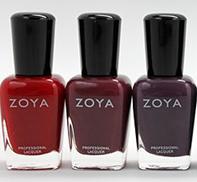
Let's Make Up - It's a good time to transition to fall makeup shades, but the switch doesn't have to be drastic.  Simple adjustments like opting for tawnier shades can make all the difference.  Swap your sheer summer lip gloss with a creamy lipstick formula.  And don't forget about your nails!  Exchange summer shades of aqua and mint green for a burgundy, purple, or deep red.


Quicker than you can say "fall fashion," cooler days and nights will soon be upon us.  Until then, continue to enjoy your favorite summer items - albeit in a fall-friendly kind of way.

Tuesday, October 2, 2012

Casual Chic - the solution for Austin's lifestyle

When I visited Austin for the first time in November 2003, I had been living in Toronto, so unsurprisingly I quickly fell in love with Austin’s weather.  Wearing shorts to Baby Acapulco to sip my first-ever margarita provided me with an unforgettable introduction.

I’ve also learned that Austin presents a fashion challenge for many - how do you “keep it Austin weird” while staying well-dressed?  It can be very easy for casual to slouch over into sloppy or lazy.  Readers have recently emailed me questions like:

  • How would you define “casual chic”?
  • How can one dress well during a full day that includes roles as businesswoman and soccer mom?
  • What can I wear during the Austin fall and winter, when the “seasonal” looks I see online and in stores is not imagining Austin weather?  I’m not going to wear sweaters with temperatures still in the 90s!

First, let me say that if someone tells you that “fashion is pain”, ignore them.  Whether or not the statement is true (I for one don’t think it is), the point is that you must be comfortable to appear stylish.  It is simply not sustainable to force yourself into something that either isn’t you or isn’t comfortable for the situation.  Fashion does not serve you if it doesn’t fit you, physically and psychologically.  You want to be yourself, not a mannequin.  Whether it happened in high school or last week, most of us can remember some first date where either we or our date tried too hard to impress, through excessive boasting or extravagant behavior of some kind.  How did that work out?  As with dating, your style needs to fit you as a whole person to work for the long run.    

Casual chic seems to be the unofficial dress code that embodies the Austin lifestyle.  The way I define this broadly is:

  1. Fabrics that are easy to wear and easy to wash
  2. Clothes that are traditionally comfortable to wear, like jeans, khaki pants, skirts, knit tops, cotton shirts, flowing dresses etc.
  3. A look that is stylish, personal and a bit fashion forward with the right accessories. It projects a sense of easiness and effortlessness  -  meaning one does not spend too much time to much the look together, yet everything visually goes well with each other.
  4. The outfit is not label oriented and the look does not attempt to project wealth and power.   
  5. The outfit can be used for multiple functions.  For example, most creative or high-tech industry working environment, family gathering, friends' party, after work cocktail, and some dinner party etc.

To be clear, this does not mean t-shirts, shorts and flip-flops.  There needs to be some effort to put the outfits together initially, and the looks that result can be casual but should “look” effortless.

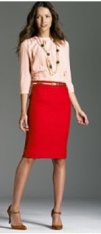
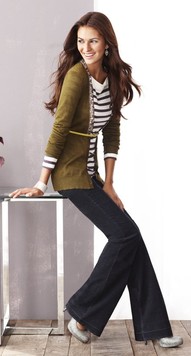
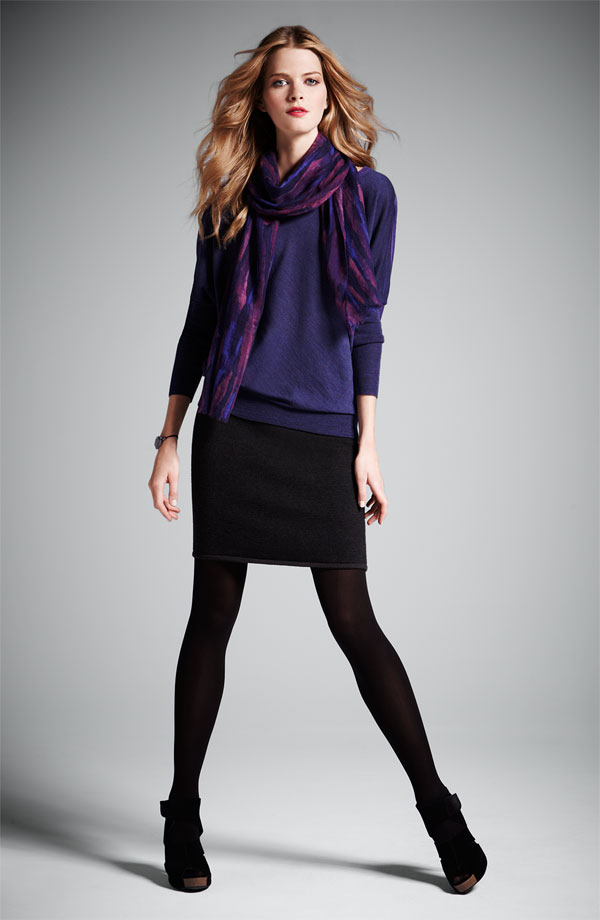
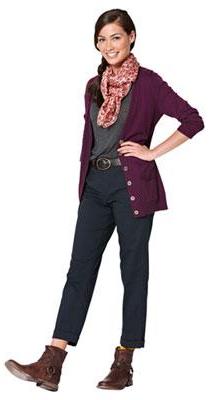
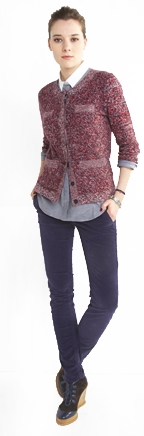
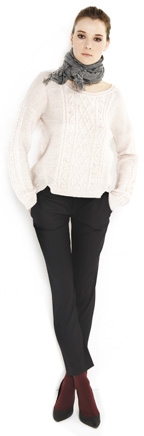
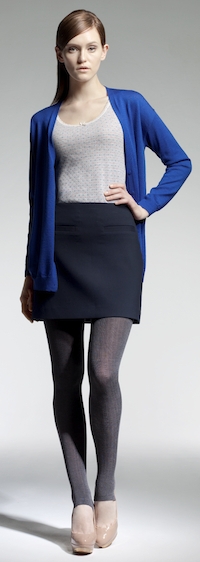
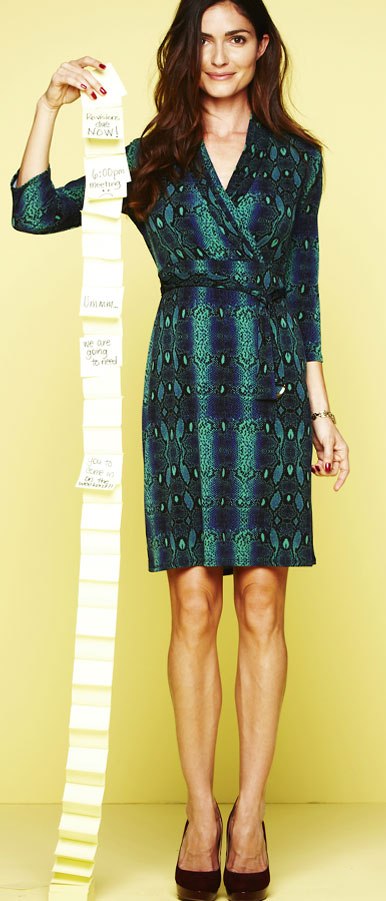
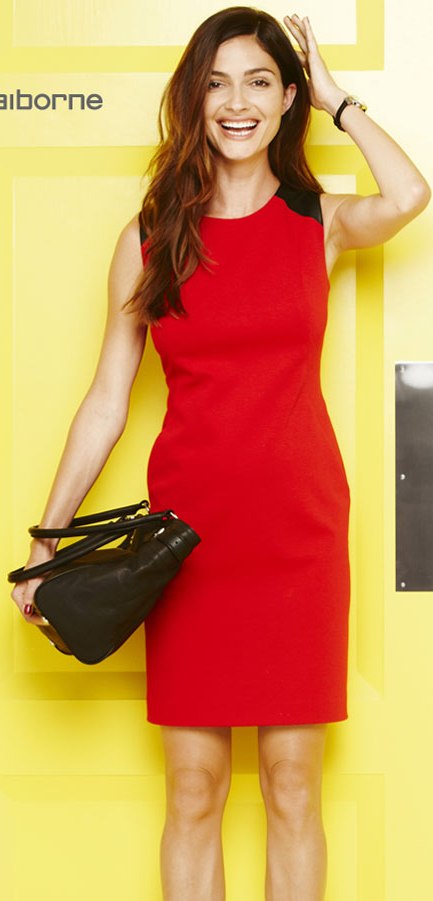
Casual chic as described above is also the answer I would provide to the businesswoman soccer mom who needs to juggle multiple roles during a day.  Here are some examples of well put together casual chic looks.


Now, all the photos I’ve used here are fashion photos.  You absolutely don’t need to wear heels to be “casual chic”!  Use the looks from the ankles up as a guideline, and add some casual, comfortable flats (but not sneakers), and you’ll have it.

In my next post I will answer the fall-winter question.

Tuesday, September 18, 2012

Why do we need to dress well? Where is the line?


Greetings!

From late August to early September I was traveling for a family/business trip to the east coast including New York and the Washington DC area.  Our last stop was Alexandria VA, just across the Potomac River from Washington, where we attended a friend’s wedding.  As usual, I travel in casual wear.  The moment I stepped in our hotel, I started feeling like I was the most dressed down woman in the lobby.  The next day, when I went to Starbucks for my morning coffee in shorts and a T-shirt, I found myself in most casual situation again. Even guys were super dressed too.  There was a young guy, maybe barely 30, wearing a bow tie and sport coat ordering coffee in front me.  I don’t know if any of you share this feeling with me or not - when I am the least dressed women in a group, I felt very uncomfortable.  I started to think, what’s going on with this town?

Being as close as it is to the nation’s capital, many politicians and lobbyists live and work in Alexandria.  In the professional world, it should go without saying that dressing well is very important.  Princeton psychologists Janine Willis and Alexander Todorov said "First impressions are formed in less than a tenth of a second."

When you dress to project an authoritative image, people tend to listen to you more.  For ladies, my personal experience is, when you dress well, you get treated well.  Newsweek columnist Jessica Bennett said, "In this economy looking good isn't just vanity, it’s economic survival."  

Inevitably, dressing well can go extreme. So the question arises: in the professional field, how can one dress well while maintaining their own style?  Where is the line between stylish and fashion slave?  I’d like to share my thoughts.

1. Smile! - this is the best, most sustainable and easiest (no cost) accessory you can ever have. And also please take care of yourself, eat well and exercise! You can attract more bees with honey than vinegar! In virtually any professional setting, a smile and a good attitude will get you a long way.

2. If you are a professional, when you manage your wardrobe, set professional needs first and play needs second.   This is a very personalized topic, it depends on your professional goal and image goal.  For one example, make dressy slacks a priority ahead of jeans.  There are also shopping guidelines you can follow from my previous post.

3.  Once you have established your core wardrobe, you can use the looks within that wardrobe that work for you - you won’t need to “work for looks” any longer.  If you like to shop, work from the core wardrobe and add a few pieces each season along with the trend.  It is not necessary to become a fashion slave, to panic each new season, to overbuy and still feel like you have nothing to wear.  Well-selected, quality professional clothes should last for at least a couple of years.  Being organized and having a plan can help you avoid feeling lost.

The good news about my time in Alexandria was that I was simply visiting while the folks surrounding me were working and dressing to impress.  The “underdressed” impulse I felt was quickly followed by the realization that these people were here to work and I was here to relax and enjoy my friend’s wedding.  I enjoyed my time in Alexandria, and I did look good at the wedding - I just didn’t pack “wedding clothes” for everyday use!  

Do any of you have the same issues when traveling - how to pack when mixing business, pleasure and other activities?  Please share your stories and questions in the comment section.

Saturday, June 16, 2012

Follow your style - make the trend work for you

In the five years I have worked in the fashion industry, the single word I have heard the most often in work conversations is TREND. Fashion companies, magazines and all the major market places, from retail shops to online, are constantly talking about the trend. At the retailer where I worked, we were always instructed to introduce the latest trends to customers. In the meantime, while I was serving customers, I was often asked: will this item be out of fashion next season?

The whole idea of trend has always been a source of wonder to me. Clothes, handbags, shoes and accessories are generally not manufactured to be disposable! They are built to last longer than one season, yet in many people’s perception trend is seen as a single-season concept. Of course, the simple explanation is that everyone in the fashion chain, from designers through retailers, needs to create demand for their new products every season. But let’s dive into this a little deeper, so we can understand trend and how to make it work for us as savvy fashion consumers.

The first question to ask is, what is the definition of trend? According to Merriam Webster:

1: a line of general direction or movement <the trend of the coast turned toward the west>

2 a: a prevailing tendency or inclination : drift <current trends in education> b: a general movement : swing <the trend toward suburban living> c: a current style or preference : vogue <new fashion trends> d: a line of development : approach <new trends in cancer research>

3: the general movement over time of a statistically detectable change; also: a statistical curve reflecting such a change

Of these, definition 2c is most relevant, but actually I think the emphasis should be on “current” rather than “style” when talking about trend in this way. Interestingly, a Wikipedia search of “fashion trend” redirects to a page titled “fad”. That may tell you something...but let’s look at one of the places where trends are thought to be set, the industry’s various Fashion Weeks.


According to Wikipedia:


A fashion week is a fashion industry event, lasting approximately one week, which allows fashion designers, brands or "houses" to display their latest collections in runway shows and buyers and the media to take a look at the latest trends. Most importantly, these events let the industry know what's "in" and what's "out" for the season. The most prominent fashion weeks are held in the four fashion capitals of the world: New York City, London, Milan, and Paris.
In the major fashion capitals, fashion weeks are semiannual events. January through April designers showcase their autumn and winter collections and September through November the spring/summer collections are shown. Fashion weeks must be held several months in advance of the season to allow the press and buyers a chance to preview fashion designs for the following season. This is also to allow time for retailers to arrange to purchase or incorporate the designers into their retail marketing. Latest innovations in dress designs are showcased by renowned fashion designers during these fashion weeks, and all these latest collections are covered in magazines such as Vogue.

So let's break it down:

  • The dictionary tells us that a trend reflects a current style or preference
  • Wikipedia tell us that trends are set by the industry to lead the commercial season

Now it’s time to think carefully and perhaps a bit cynically. Who benefits from setting the trend? And how do you benefit from following the trend?

It’s perfectly understandable that each of us want to feel accepted and welcomed in this world, and if following the trend is the simplest way of fitting in, that is one shortcut to not feeling excluded at the most basic level. But fashion can be so much more than that - that’s why I think it is such an interesting subject. We can use fashion to express both our individuality and our commonality.

There’s a famous quote by fashion icon Yves Saint Laurent that has almost become a cliche in fashion circles:

“Fashion fades; style is eternal.”

This quote became a cliche for a reason - it holds a lot of truth! While trend is about “current style”, true personal style belongs to each one of us as individuals and does not change with the seasons. We have all known someone at some point in our lives who has tried so desperately to fit into a group that they would do anything, including trying to change their personality even if it didn’t really fit them. It can work for a while, but it doesn’t last.

And so it goes with trend following as it relates to personal style. Know yourself first! Know the types of things you enjoy wearing, the things that make you feel confident, comfortable, sexy, or fun depending on the occasion, so the end result is always you at your best. When you start with this level of self awareness, you can use the changing fashion seasons to work for you. You can learn to be selective among the season’s offerings while maintaining the core style you know works for you, rather than feeling overwhelmed at the change of seasons or buying every latest thing in a desperate attempt to stay trendy.

I think deep in our hearts, many of us feel that we are being manipulated by a fashion industry that thrives on separating us from our money over and over again. Turn the game in your favor by de-emphasizing “current” and emphasizing “style” when thinking about fashion trends. Anyone over the age of 30 has been around long enough to see that fashion trends recur all the time. After all, fashion trends are decided by human behavior, which means, if you are reading this you are part of it.

My appeal to you is, don't worry about the trend. Go with what suits you best. For some help in discovering what suits you, please have a look at my previous post: "How to define well-dressed?"

Readers, next time when you are in a store, instead of asking what’s new, ask yourself, “What’s new for me?”